 Byte Sutra
Byte Sutra
Byte Sutra
<h1>Why Cats Walk Slowly Around New Objects</h1>
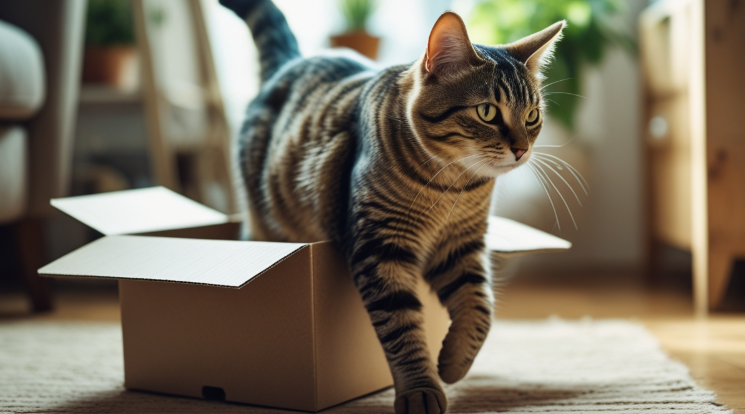
<p>Most cat owners have seen this moment. You bring home a new bag, place a box on the floor, or rearrange a piece of furniture. Instead of ignoring it, your cat approaches slowly, body low, eyes focused, moving one careful step at a time. Sometimes they circle the object, stop, sniff the air, and then step back as if they’re unsure.</p>
<p>This slow, cautious walk can look funny, but it’s actually very meaningful. Cats are creatures of habit who rely heavily on familiarity. Anything new in their environment stands out immediately. Walking slowly around new objects is your cat’s way of gathering information and deciding whether something is safe. Understanding this behavior helps owners see just how thoughtful and observant cats really are.</p>
<h2>What This Behavior Is About</h2>
<p>When cats walk slowly around new objects, they are carefully inspecting something unfamiliar.</p>
<p>This behavior helps them stay safe and comfortable in their environment.</p>
<h2>Main Reasons Cats Walk Slowly Around New Objects</h2>
<h3>1. Natural Caution and Survival Instinct</h3>
<ul>
<li>Cats are both hunters and prey.</li>
<li>New objects could hide danger.</li>
<li>Slow movement keeps them alert.</li>
<li>Caution helps them stay safe.</li>
</ul>
<h3>2. Using All Their Senses at Once</h3>
<ul>
<li>Cats don’t rush decisions.</li>
<li>They smell, watch, and listen.</li>
<li>Slow steps allow better sensing.</li>
<li>Whiskers help judge distance and space.</li>
</ul>
<h3>3. Protecting Familiar Territory</h3>
<ul>
<li>Cats like predictable spaces.</li>
<li>New items change their environment.</li>
<li>Slow walking helps them reassess territory.</li>
<li>It restores a sense of control.</li>
</ul>
<h3>4. Remembering Past Experiences</h3>
<ul>
<li>Cats learn from experience.</li>
<li>Unexpected movement or noise may have happened before.</li>
<li>They associate caution with safety.</li>
<li>This shapes their response to new things.</li>
</ul>
<h3>5. Testing for Movement or Threat</h3>
<ul>
<li>Cats watch closely for motion.</li>
<li>They pause to see if the object moves.</li>
<li>Slow steps allow quick retreat.</li>
<li>Stillness gives them confidence.</li>
</ul>
<h2>Why Cats Often Circle New Objects</h2>
<ul>
<li>Circling helps cats see from all sides.</li>
<li>They look for hidden movement.</li>
<li>It helps them understand size and shape.</li>
<li>This full inspection reduces uncertainty.</li>
</ul>
<h2>Is This Normal or Something to Worry About?</h2>
<ul>
<li>Yes, it’s completely normal.</li>
<li>Most cats do this with new items.</li>
<li>It’s a healthy sign of awareness.</li>
<li>There’s no need to intervene.</li>
</ul>
<h2>How Long Does This Behavior Last?</h2>
<ul>
<li>Some cats relax in minutes.</li>
<li>Others may take hours or days.</li>
<li>Once the object feels familiar, caution fades.</li>
<li>Eventually, it becomes part of the environment.</li>
</ul>
<h2>What Pet Owners Can Learn or Do</h2>
<ul>
<li>Give cats time to investigate.</li>
<li>Avoid forcing interaction.</li>
<li>Let curiosity lead naturally.</li>
<li>Keep new items still at first.</li>
<li>Stay calm to reassure your cat.</li>
</ul>
<h2>Common Myths vs Reality</h2>
<ul>
<li><strong>Myth:</strong> Cats are scared for no reason<br>
<strong>Reality:</strong> They are assessing safety</li>
<li><strong>Myth:</strong> Slow walking means fear<br>
<strong>Reality:</strong> It means careful thinking</li>
<li><strong>Myth:</strong> Confident cats won’t do this<br>
<strong>Reality:</strong> All cats show caution</li>
</ul>
<h2>FAQs</h2>
<div class="faq">
<strong>Q: Why does my cat freeze near new objects?</strong>
<p>A: Freezing helps them observe without risk.</p>
</div>
<div class="faq">
<strong>Q: Should I move the object away?</strong>
<p>A: Only if it causes ongoing stress.</p>
</div>
<div class="faq">
<strong>Q: Will my cat accept the object later?</strong>
<p>A: Yes, once it feels familiar and safe.</p>
</div>
<h2>Conclusion</h2>
<p>Cats walk slowly around new objects because caution keeps them safe. This behavior allows them to inspect unfamiliar items using all their senses while staying ready to react. What looks like fear is actually careful thinking and awareness. Over time, as the object becomes familiar, the slow steps fade and confidence returns. By giving your cat space and time, you’re supporting their natural instincts and helping them feel secure in your home.</p>